
When autumn arrives, many gardeners wonder: Should I prune now, or wait until winter? The answer lies in understanding how plants transition into dormancy. Fall pruning isn’t about chasing late-season growth—it’s about science, strategy, and giving your plants the right conditions to survive the cold months ahead.
🌱 The Science of Fall Pruning
As days shorten and temperatures drop, plants begin shifting energy. Instead of pushing out new leaves and flowers, they start storing resources in their roots and woody tissues. Pruning in autumn supports this process by:
Redirecting Energy – Removing weak or diseased growth ensures stored carbohydrates go to healthy branches and roots.
Reducing Stress – Shaping plants before heavy snow or ice lowers the risk of broken limbs.
Minimizing Disease Carryover – Many fungal spores and pests overwinter on dead stems; pruning helps break that cycle.
✂️ Key Strategies for Smart Autumn Pruning
Focus on Health, Not Looks
Cut away dead, diseased, or crossing branches first. This is less about shaping and more about plant survival.
Keep It Light
Avoid severe cuts in fall—heavy pruning may trigger new shoots that won’t harden before frost. Instead, save major shaping for late winter or early spring.
Think Ahead to Spring
When removing branches, consider future growth patterns. Good airflow and balanced structure now mean healthier foliage and blooms when dormancy ends.
Pair Pruning with Cleanup
Don’t leave clippings or fallen leaves around. Dispose of or compost debris properly to prevent overwintering pests and diseases.
🛠 Practical Tips for Gardeners
Use clean, sharp tools—dull blades crush tissue and slow healing.
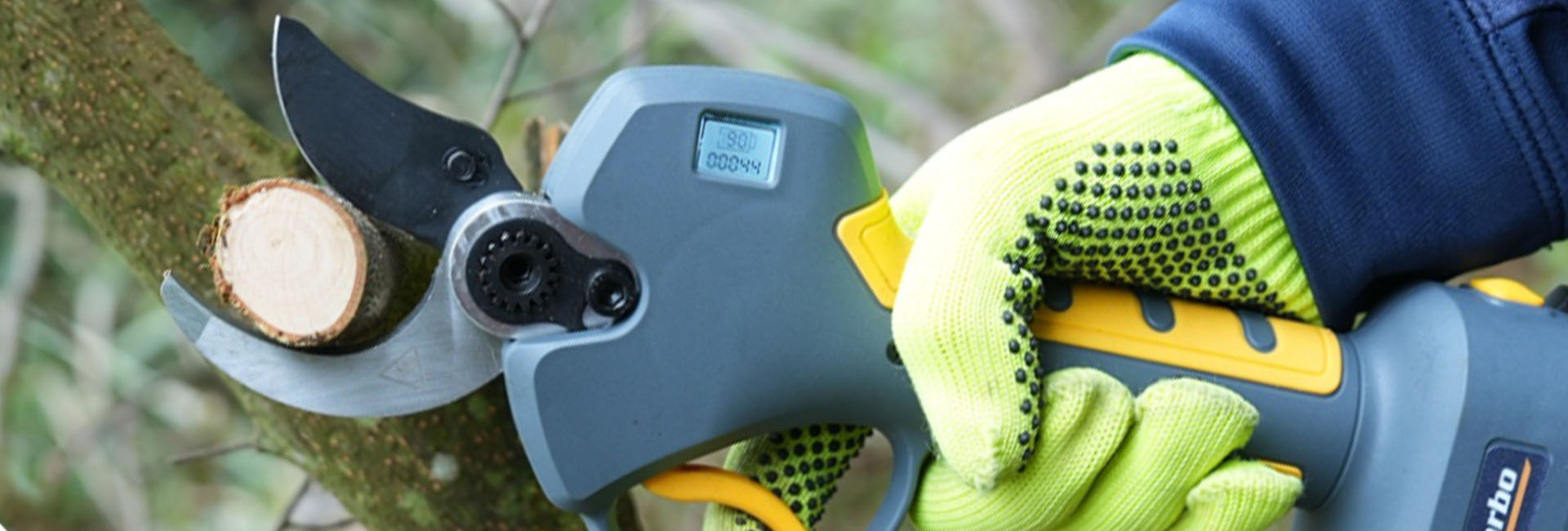
For thick or frequent cuts, electric pruners with progressive cutting make the work smoother and reduce hand strain.
After pruning, consider adding mulch around root zones. This insulates soil, regulates moisture, and protects roots through winter.
🍃 Fall vs. Winter Pruning: What’s the Difference?
Fall Pruning → Light, health-focused, aimed at preparing plants for dormancy.
Winter Pruning → Structural, growth-directed, shaping the plant while it’s fully dormant.
Think of fall pruning as “setting the stage” and winter pruning as “designing the performance.” Both are essential, but they serve different purposes.
✨ Final Thought
Pruning in autumn isn’t just garden maintenance—it’s a science-backed way of protecting your plants and setting them up for success. By understanding how plants shift their energy in fall and pruning with strategy, you’re ensuring healthier, stronger growth when spring finally returns.
🌿 Pro Tip: Clean, precise cuts are key to plant health. Tools like the Prunarbo cordless electric pruner, with adjustable openings, progressive cutting, and ergonomic design, make fall pruning smoother and less tiring—so you can prepare your garden for winter with confidence.